
How does social wellness influence a child’s development? Social wellness refers to the positive, supportive connections we have with others. Regularly spending time on shared activities helps us build meaningful relationships. Children interact with many different people each day, including classmates, teachers, coaches, and family members. These relationships play an important role in shaping their growth and development. Learning social skills during childhood helps children build confidence, communicate their thoughts and needs, express themselves clearly, and form meaningful support systems that can benefit them throughout adolescence and adulthood.
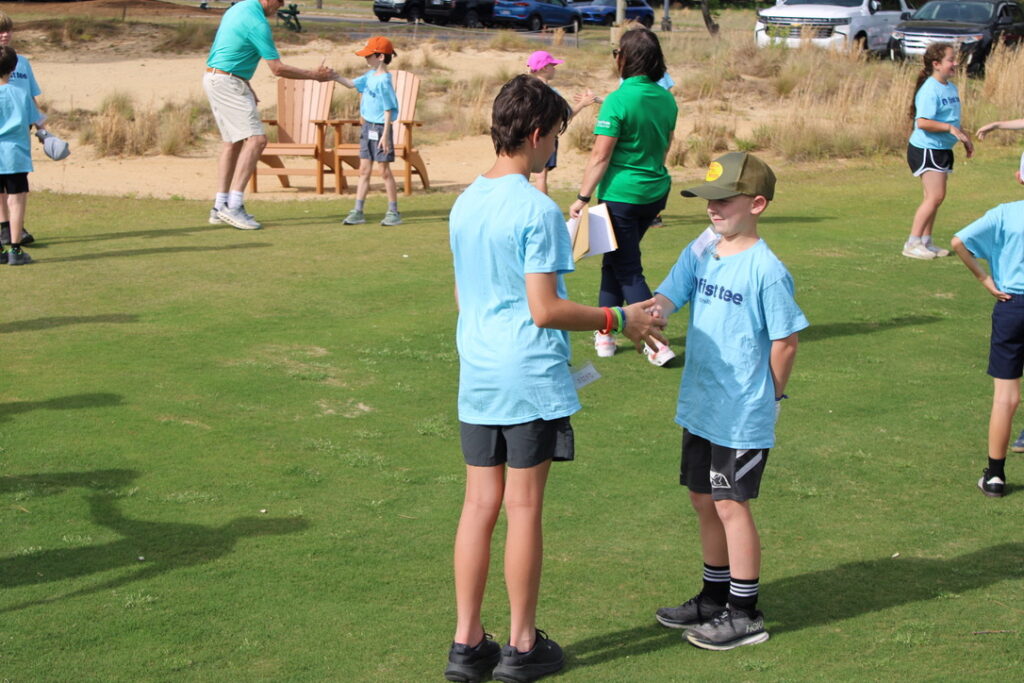
Being part of groups, teams, or community activities strengthens social well-being by fostering a sense of belonging. Participating in programs like First Tee provides a supportive environment where children can develop important social skills, build positive relationships, and contribute to their overall well-being. Children who participate in First Tee programs have the opportunity to engage socially with both their peers and adult coaches.
At First Tee – Sandhills, a significant part of what we discuss focuses on golf course etiquette and proper on-course behavior. These same lessons often extend far beyond golf and help the participants better understand how to navigate a variety of social situations in everyday life. Some examples include learning the importance of making eye contact during conversations, greeting someone new with a handshake, addressing others by name, being mindful of personal space, and staying aware of one’s surroundings. We also place a strong emphasis on showing respect by listening attentively when others are speaking and waiting your turn to speak while others have the opportunity to share.
We don’t just teach these skills during our programs; we encourage children to discuss, reflect, and work through why these skills matter. Through engaging with their peers and some independent reflection, they begin to develop their own understanding of these practices and how they can incorporate them into their own daily lives.
Social wellness is strongly connected to one of our five key commitments: Collaborating with Others. By participating in our programming, participants at First Tee – Sandhills learn the value of building positive relationships, appreciating others’ perspectives, and working together toward common goals while showing respect, kindness, and consideration both on and off the course.
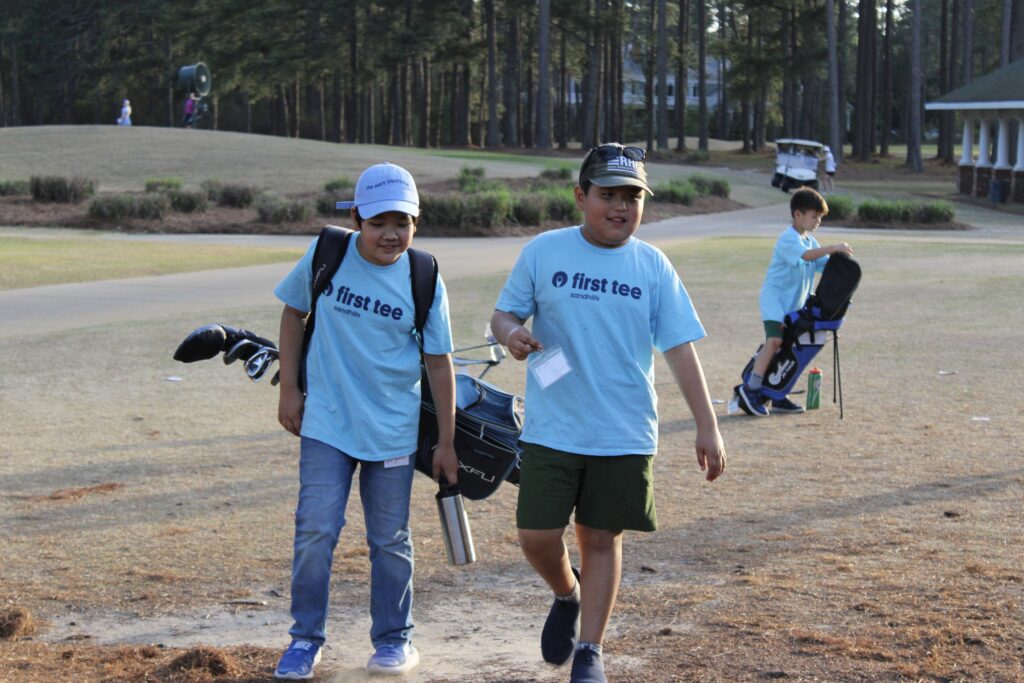
Our social wellness improves most when interaction is ongoing, easy-going, and naturally incorporated into daily life. You don’t need anything elaborate to practice social wellness at home with children. Whether it’s encouraging thoughtful discussions about emotions and relationships, making time for family bonding activities and social events with friends, reducing screen time in favor of outdoor experiences, or helping your children strengthen their friendships through group activities and shared interests, social wellness can be supported in many different ways.
The game of golf provides an avenue for teaching social wellness by encouraging participants to practice communication and teamwork and develop respect and consideration for others. Golf naturally reinforces important values such as patience and empathy through its emphasis on etiquette, turn-taking, and caring for the course and fellow players. Whether celebrating successes, navigating challenges, or working together in team formats, golfers learn how to support one another and grow through both positive and difficult moments. These are the lessons we hope to foster in the youth participating in the Sandhills chapter programs.